The Washington Hospital project has established an exceptional safety culture that goes far beyond typical construction site protocols. Working within an active healthcare facility while maintaining full hospital operations requires extraordinary measures to protect both patients and workers.
The project team has implemented comprehensive safety practices that have not only ensured zero incidents but have also built remarkable trust with Washington Hospital Health System (WHHS) staff.
Hospital construction presents unique challenges that standard construction sites never face, says Project Manager Saurabh Bisen. “The team must maintain hospital function while simultaneously demolishing and rebuilding critical infrastructure. This requires strategic coordination with scheduled shutdowns performed during late-night hours, extensive scheduling oversight, and daily coordination with hospital staff and security to ensure both efficiency and safety.”
Washington Hospital’s staff welcomed Webcor’s crew with open arms after witnessing their safety-conscious approach and commitment to maintaining the highest standards, says Saurabh, who credits Safety Manager Phil Nunez and Sr. Superintendents Karl Jeppesen and Maria Damas with coordination of the complex safety program. This mutual trust has become a cornerstone of the project's success.
Process ICRA protocols are essential for maintaining sterile environments within active healthcare facilities. The team maintains visible ICRA postings throughout the hospital in coordination with the hospital safety team as new workspaces are created and demolition areas are completed. Daily maintenance and monitoring of tack mats and negative air machines ensure adequate dust containment and air quality throughout each shift.
Interim Life Safety Measures ensure that fire safety and emergency protocols remain intact during construction activities. These measures require careful coordination with hospital systems and staff to maintain safety standards while construction activities are ongoing.
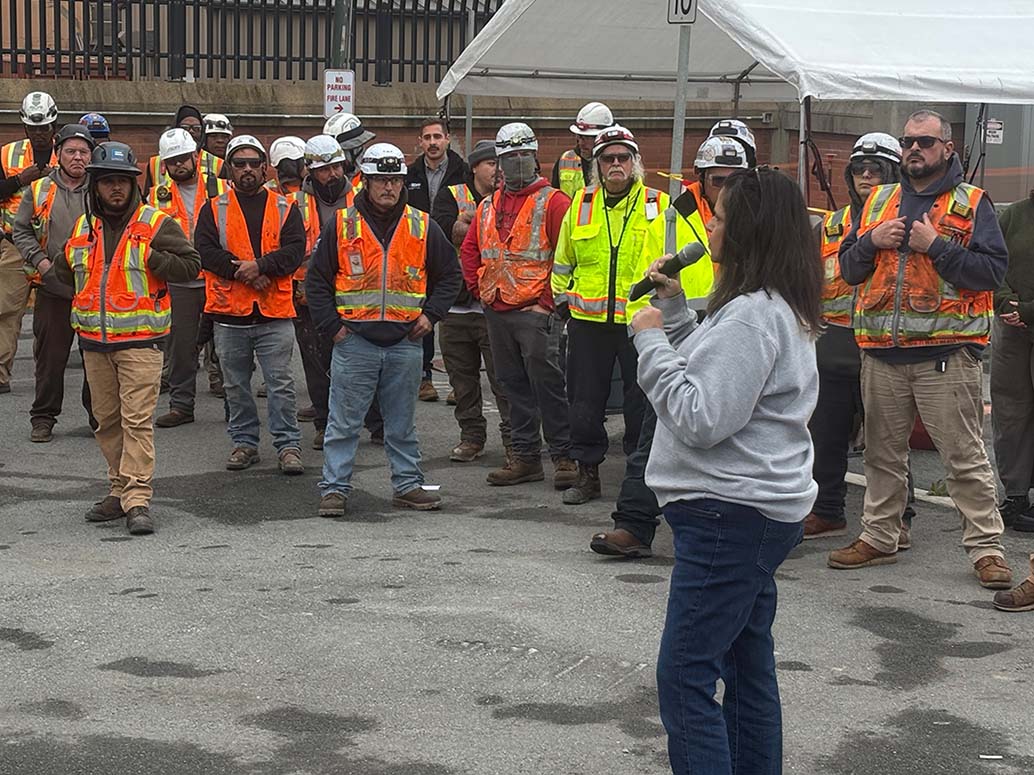
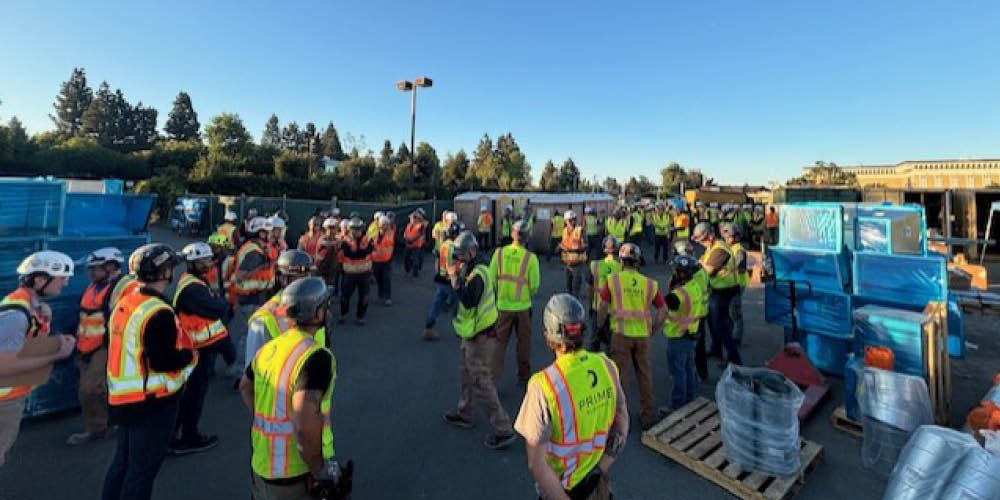
The team conducted innovative mock evacuation drills to test emergency response effectiveness. Since WHHS does not allow radio use inside the active hospital, the construction team developed a unique whistle system to alert craft teams during emergencies. The evacuation drill achieved remarkable results: complete evacuation and headcount of all subcontractors in just 7 minutes from start to finish.
Maintaining a dust-free environment is critical in healthcare settings. The team implemented baseline sound and air quality sampling to measure conditions and implement necessary controls. This comprehensive approach includes negative air machines, tack mats, and scheduled off-hours work to minimize impact on hospital staff while creating the safest possible environment for both patients and construction workers.
The primary challenge was maintaining full hospital functionality while performing demolition and reconstruction work. The team addressed this through strategic planning, including:
The safety-conscious approach has significantly impacted the overall team culture, fostering increased collaboration and trust between construction crews and hospital staff. The Washington Hospital team's confidence in the construction crew's safety practices has created an environment of mutual respect and cooperation.
A particularly proud moment occurred when the executive team happened to be on-site during the evacuation drill. “The positive feedback received that day reinforced the impact that prioritizing safety has had on the entire project,” Phil recalls.
Phil shared Special recognition of key team members who made this safety culture possible:
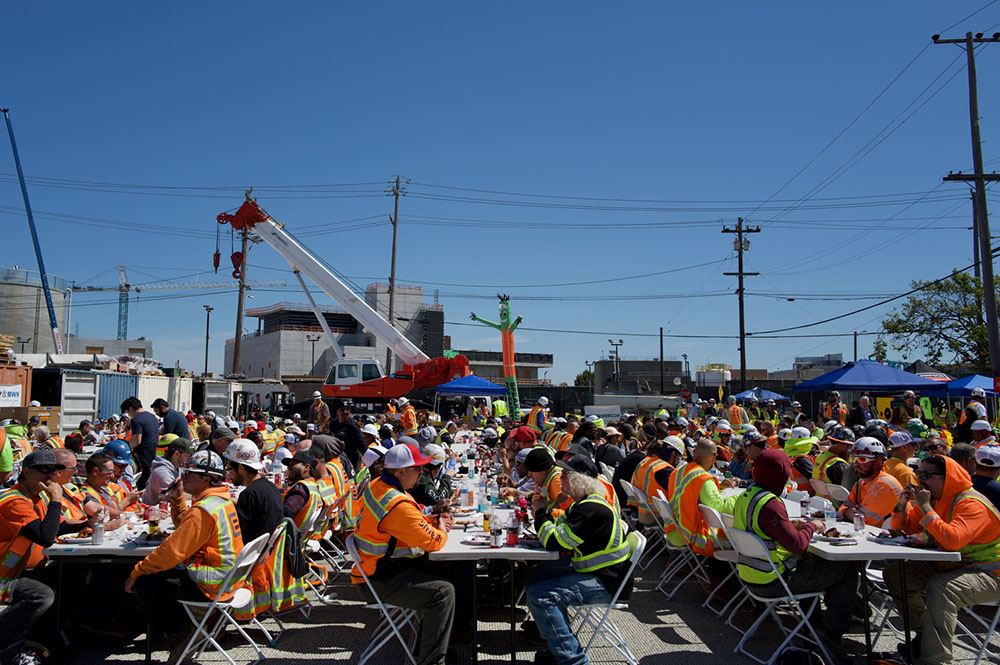
The team's commitment to safety culture extends to recognizing and celebrating the workers who make it possible. The upcoming Webcor BBQ Field Appreciation Day demonstrates the project's commitment to acknowledging the hard work and dedication of all team members who contribute to this exceptional safety record.