by Ava Brasch, Marketing Coordinator
When it comes to sustainability at Webcor, the work goes well beyond recycling bins and green walls. Led by Sr. Sustainability Director Sarah Rege and Sustainability Manager Kavita Karmarkar, the Sustainability department embeds sustainable practices into daily workflows, from pursuit and preconstruction through project closeout.
But what does this look like at the project level? Behind the acronyms and rating systems, the Sustainability group helps project teams evaluate materials, track and reduce carbon emissions, and find new ways to eliminate waste.
"Almost every job we touch has a different sustainability scope," Kavita explains. "Our job is to meet teams where they are and help them move forward."
Setting the Foundation Early
Project teams often first engage with Sustainability during pursuit and preconstruction:
Pursuits
Preconstruction
They also introduce conversations about embodied carbon, lifecycle costs, carbon emissions during construction and California's evolving building codes early, so owners can make informed decisions. This proactive support helps clients see sustainability as an opportunity, not just an added cost.
Handoff, Kickoff, and Construction
Once a project is awarded, the team establishes frameworks for success through sustainability kickoff meetings, designated sustainability champions (often project engineers (PE) or senior (SPE), and Green Team initiatives. Webcor provides funding to support on-site sustainability initiatives like plant walls, reusable bottle drives, composting, and TerraCycle programs.
Kavita works with project teams throughout construction, offering biweekly or monthly check-ins with customized tracking spreadsheets and ready-made templates. "One thing at a time," Kavita says. "That's how we keep teams from feeling overwhelmed."
Those touchpoints cover everything from waste hauling contracts to material submittals (e.g. ensuring they include environmental product declarations and recycled content data)—avoiding the last-minute scramble that could occur at closeout.
Concrete, Carbon, and Innovation
One of the team's most important focus areas is embodied carbon—the emissions associated with building materials.
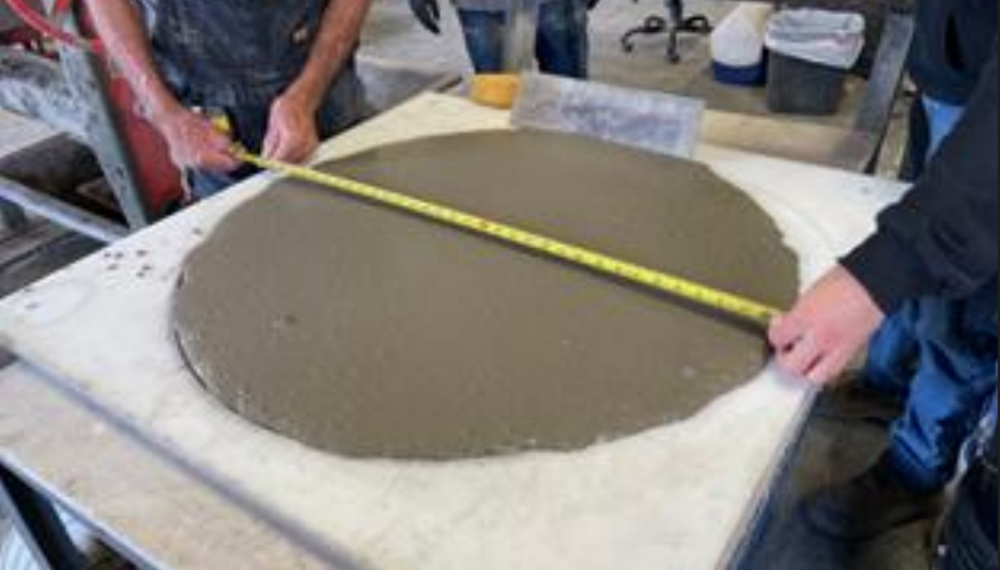
In new construction, primary structure is the largest contributor with concrete most often the major contributor. With this in mind, concrete is a major target for reductions. The Webcor Concrete Group is deeply experienced in lowering embodied carbon in concrete. They experiment with low-carbon mixes and pilot new technologies with the potential to replace traditional cement in concrete mix design. Sustainability works with the concrete team to integrate these efforts into each projects holistic sustainability goals. The sustainability team translates to clients and design teams how the focus on concrete can be a needle-mover in embodied carbon reductions.
Using tools like EC3 (Embodied Carbon in Construction Calculator, which Webcor had a hand in developing), they analyze options and guide smarter choices, positioning us as a leader in greener construction practices.
Delivering Results
As projects near completion, Kavita and Sarah finalize all documentation for certification submission, ensuring teams don't miss critical steps. The team's support is reflected in the results:
"Projects like these show what's possible when sustainability isn't just a checklist," Kavita shared. “Sustainability becomes part of the project’s identity.”
Looking Ahead
Sustainability at Webcor continues to evolve. Last year, we earned a Bronze rating from EcoVadis, and we published our inaugural Sustainability Report in September.
Their biggest goal remains clear: ensuring every Webcor team understands how, when, and why to involve Sustainability early.
"The sooner we're looped in, the more value we can bring,” Sarah says.