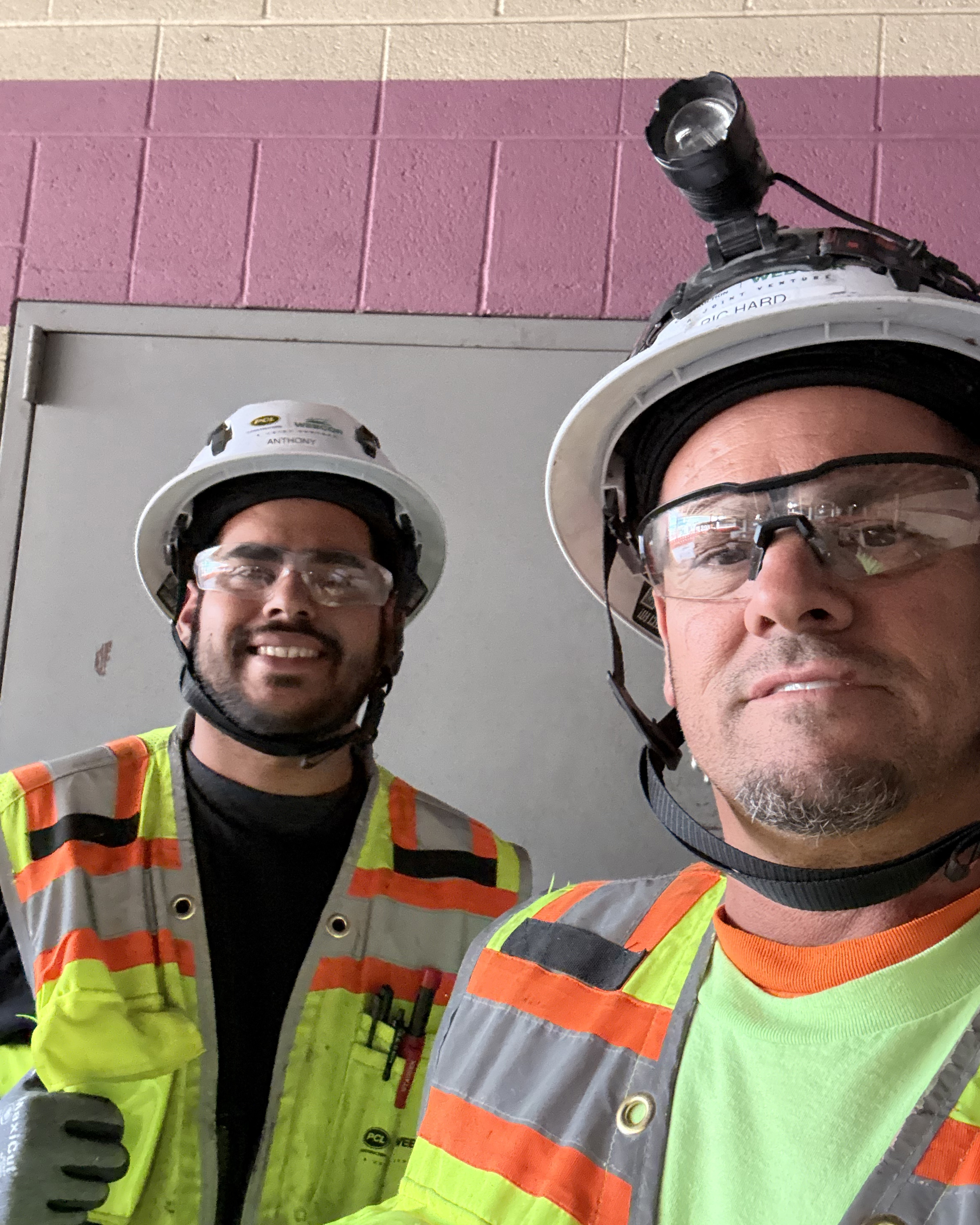
Following in their footsteps felt like a natural choice, especially after years of carefully observing his family’s craftsmanship. As a kid, he paid close attention to how things physically came together, thoughtfully soaking in the basics of the construction process.
He spent his teenage years working with his dad and grandpa on whatever jobs he could handle—residential add-ons, backyard patios, pool installations, etc.
Shortly after turning 18, he joined a local construction company focused on home improvement work, where he continued working for the next couple years.
By the time he was 20, however, he was ready for a change. He was tired of the inconsistency of construction jobs and realized he craved greater career stability. He decided to leave the home improvement contractor to work in the grocery/retail industry, where he continued working for the rest of his early 20s.
After a couple years, it became clear that his new industry’s work schedule wasn’t sustainable; working every major holiday and weekend was wearing down on him. So, he decided to pivot back to construction.
Twenty-five years later, he hasn’t looked back. Not only did he realize construction was the path for him all along, but he ended up passing his love for the industry onto his own son.
“Nothing makes me prouder than visiting my old projects and seeing them standing tall all these years later,” he says. “I love showing off my work to my son, Anthony, who now works at our UCSB San Benito Student Housing Project.”
Growing & Leading at Webcor
Since joining Webcor Carpentry over a decade ago, Rick's befriended countless teammates, taken on complex scopes, and continued to tackle each unique challenge with excitement and determination. After all, he says, constant change is the best part of working in construction.
· “I love that it’s never the ‘same old’ routine here,” he says. “We’re not just building everyday doors and windows—we’re building some really interesting scopes and making fancier stuff that’s different from the norm.”
· One of his favoriteprojects was the custom-made Accoya wooden benches—unique for their curved center—at UC Irvine’s Oso Towers.
As much as he’s learned and appreciated about the technical challenges of carpentry, however, he’s come to feel most proud of his immense growth as a people leader and teammate.
· “Don’t underestimate thedifficulty of taking different directions from different people,” he says. “You never have the same boss in this career. Learning to be managed by differentpeople and adjust to different personalities is a skill in itself.
· “That’s one of the most valuable lessons I’ve learned—everyone’s different and has different perspectives, but we all have to agree to take care of one another and get the job done. Because if we don’t get the job done, we’re not getting another one.”
The Power of Psychological Safety on Jobsites
In addition to safety basics like proper personal protective equipment (PPE), Rick’s passionate about an aspect of construction safety that (up until recently) has been largely dismissed by our industry: psychological safety.
After nearly three decades on jobsites, Rick understands the immeasurable value of open and judgment-free communication better than most. Checking in with teammates when something feels off, asking thoughtful (but non-invasive)questions, and expressing genuine concern for teammates’ well-being are the ultimate ways to build trust.
· “If you know construction workers, you know they always have something going on,” he says. “It’s good to be open to those vulnerable conversations and listen to their thoughts and feelings.
· “There are times when you can just tell someone isn’t having a good day. I’ve made a lot of friends by being open and talking to people—guys I worked with years ago still call me up to talk about whatever’s on their mind.”
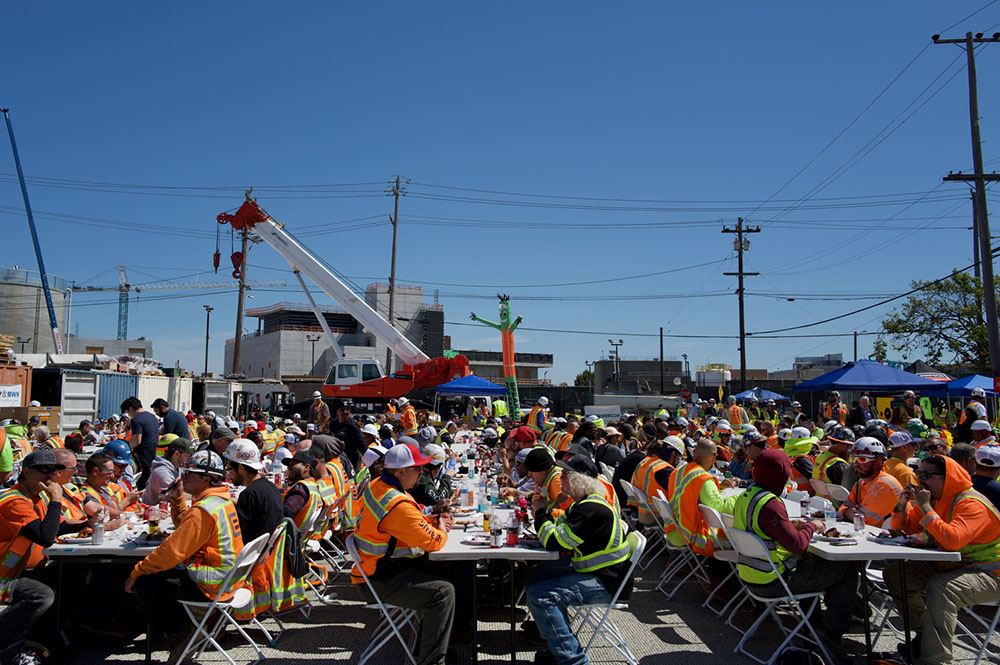
Simply put, Rick hopes Safety Week will inspire more construction professionals to take safety seriously—from fostering psychologically safe work environments to following approved safety protocols at all times to help ensure everyone goes home safely.
“When I started working in construction, safety wasn’t prioritized or discussed nearly as much as it today,” he says. “We’ve come a long way, but greater awareness is still needed.”